
Configure Your Print Project
Describe your project and we'll configure everything — or customize each detail below.
-01KJAJCMMS6TBAH39V05QJBPGR.webp&w=3840&q=75)
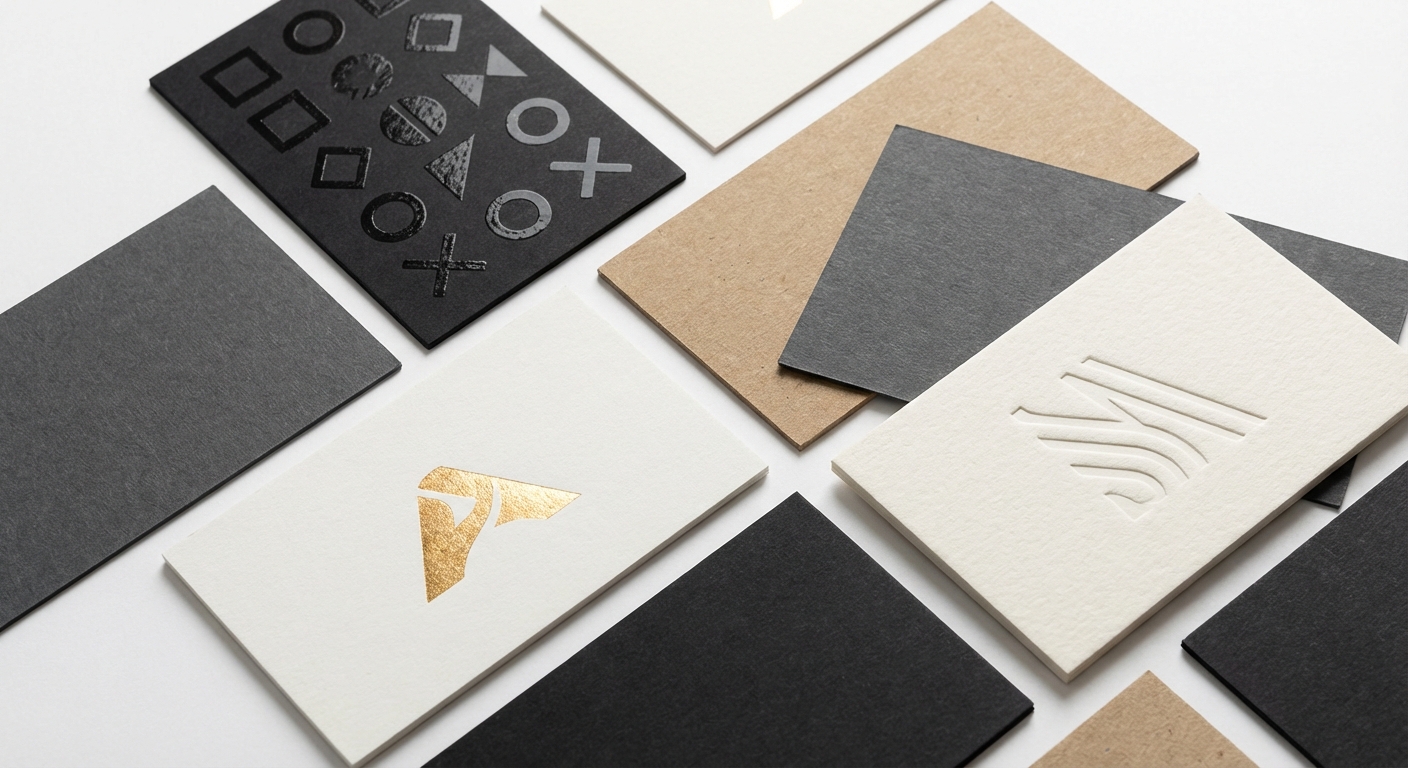
Make it tactile - TOPO embellishment
Raised lettering. Textured logos. Foil. Dimensional spot gloss. Our TOPO embellishments add physical texture to any printed piece - no custom dies, no long setups. Available on any product, any quantity
What our customers say
Hudson has been printing real estate brochures, mailers & Posters for me for 6 years. I’m very happy with their work and my clients always comment on the color and quality of the marketing materials.
I've worked with Hudson on many projects and the quality, precision, price and service are the best in Utah maybe in all the states.
You guys rock! Everything looks phenomenal and appreciate the hard work.
Frequently Asked Questions
The standard business card size in the United States is 3.5x2 inches, a dimension that fits comfortably in a wallet, a cardholder, and a standard business card exchange. This size is standard for a reason — it works. That said, we can produce business cards in square formats, slim formats, and custom sizes for clients who want something that stands out from the stack. If you're considering a non-standard size, keep in mind that it may not fit standard cardholders and wallets, which can be a feature or a drawback depending on your goals.
Business cards are a first impression, and the stock you choose communicates something about your business before the recipient reads a single word. We recommend a minimum of 14pt cover stock (130 lb. Cover) for most business cards — anything lighter can feel flimsy and undersells an otherwise well-designed card. For a premium impression, 16pt and extra-thick stocks are popular choices that feel noticeably substantial in the hand. The difference between a thin card and a well-weighted one is something every recipient notices, even if they can't articulate why.
The finish you choose has a significant impact on the overall feel and appearance of the card. Gloss lamination produces vivid colors and a bright, polished surface that works well for bold, image-driven designs. Matte lamination gives a sophisticated, non-reflective surface that feels refined and is easier to write on — useful if recipients might jot notes on the back. Soft-touch lamination has a velvety texture that feels premium and distinctive, and tends to generate the most comments from recipients. Uncoated stock has a natural, tactile quality that works well for creative professionals and businesses that want a more understated, organic feel.
Yes! TOPO spot textures and foils will give your card that extra element that is sure to impress!